Chronic Back Pain at 62: Pieter Reports Pain-Free Days After Morning Discomfort

Back view: June 2025 (left) and April 2026 (right). The supplied image labels a dropped shoulder and scapular winging before, with balanced shoulders and no winging afterward.
Years of back pain and recurring interruptions to activity
Pieter’s record describes chronic back pain rated at 7–8/10 over many years.
His history included injuries from rugby when younger, functional scoliosis and lumbar disc concerns.
Chris reports that episodes described as displaced discs could leave Pieter completely out of action.
The initial assessment also recorded scapular winging, spinal protrusions and an anterior shift of the hips.
Previous training and treatment approaches
Pieter had taken part in CrossFit and strength training.
His record lists osteopathy, physical therapy, chiropractic and Pilates among the approaches he had tried.
The submission does not provide separate outcomes or durations for each approach.
Training two to three times per month
The documented comparison covers June 2025 to April 2026.
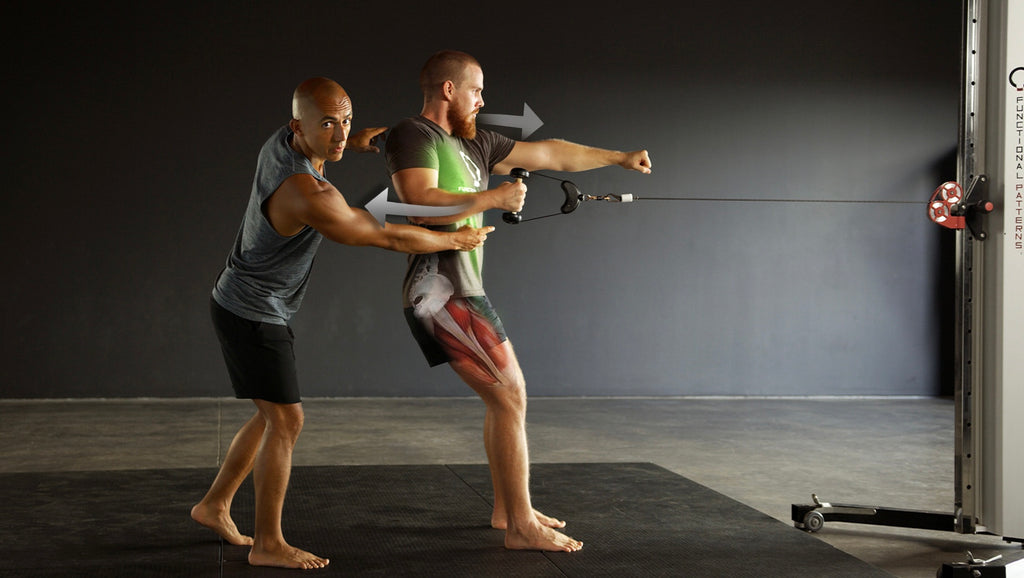
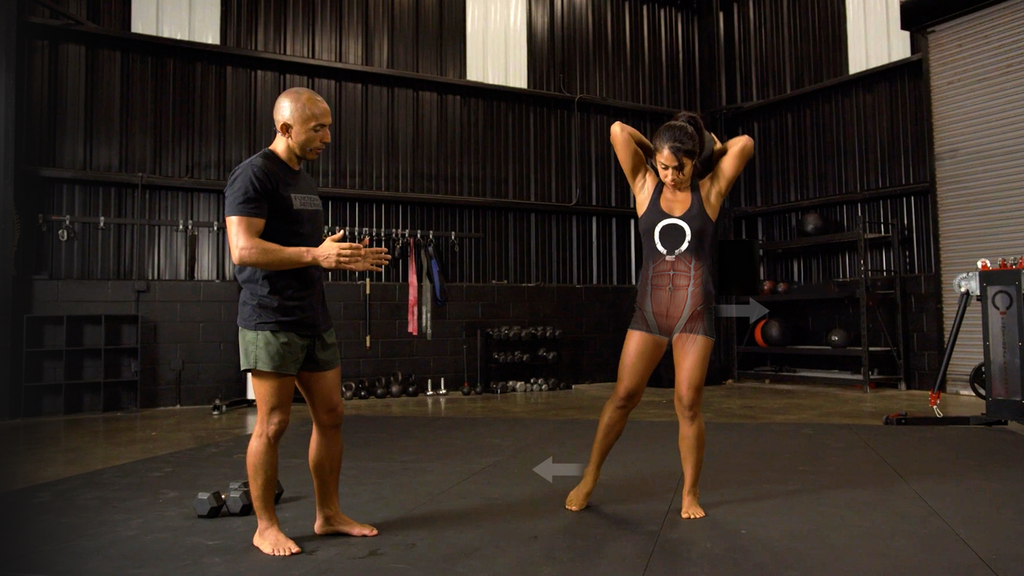
Pieter trained with Functional Patterns practitioner Chris Farnworth two to three times per month.
Chris tracked changes in back pain, hip positioning, spinal appearance, scapular positioning and general movement.
Before and after: shoulder and spinal positioning
Chris reported less scapular winging and reduced spinal protrusions at follow-up.
He described a straighter spinal appearance and less lumbar shearing associated with the anterior hip shift.
The back-view comparison above is annotated with changes in shoulder balance and scapular winging.
These descriptions are practitioner observations; the submission does not provide clinical measurements of spinal change.
Pain-free for most of the day with residual morning symptoms
Pieter’s follow-up was not a report of being symptom-free at every time of day.
He described pain at 2–3/10 during the first 30 minutes after waking, followed by 0/10 for the rest of the day.
Chris also reported increased muscle mass and improvements in Pieter’s general movement and gait.
| Area | Before | After |
|---|---|---|
| Back pain before training | 7–8/10 for years | Lower daily pain reported |
| First 30 minutes after waking | Earlier chronic back pain | 2–3/10 |
| Rest of the day | Earlier chronic back pain | 0/10 |
| Scapular winging | Present | Reduced significantly, per Chris |
| Anterior hip shift | Present | Reduced associated lumbar shearing reported |
| Movement and gait | Earlier movement pattern | Improved movement and gait reported |
| Muscle mass | Initial baseline | Increase reported |
What Chris says now
“He has added muscle mass and his general movement / gait has also improved significantly.”