Squats, deadlifts, and Olympic lifts, done hard and done often. For a lot of people that's what "getting fit" means. But being able to handle a workout doesn't mean the workout is improving how your body works. In this post, we break down why CrossFit-style training can fall short for long-term physical health, and what we do differently.
A wolf in sheep's clothing
More people are starting to see that CrossFit has been a wolf in sheep's clothing when it comes to long-term physical health.
A core problem with CrossFit as a training method is how heavily it leans on bilateral exercises like squats, deadlifts, and Olympic lifts. These lifts put compressive loads on the spine again and again, and they train the body to move mostly in the sagittal plane (forward and back).
Most people don't see the problems with repeating these patterns until much later in life or later in their training careers.
Variety doesn't cancel out the load
CrossFit does include running, jumping, and gymnastics. But those don't necessarily offset the effects of repeated heavy barbell lifting.
Some athletes can train this way for years without major problems. That doesn't mean the same approach works for everyone. Being able to withstand CrossFit doesn't automatically mean it's improving how your body functions in everyday life.
Training as a human: the First Four
That's why, at Functional Patterns, we prioritize training as a human.
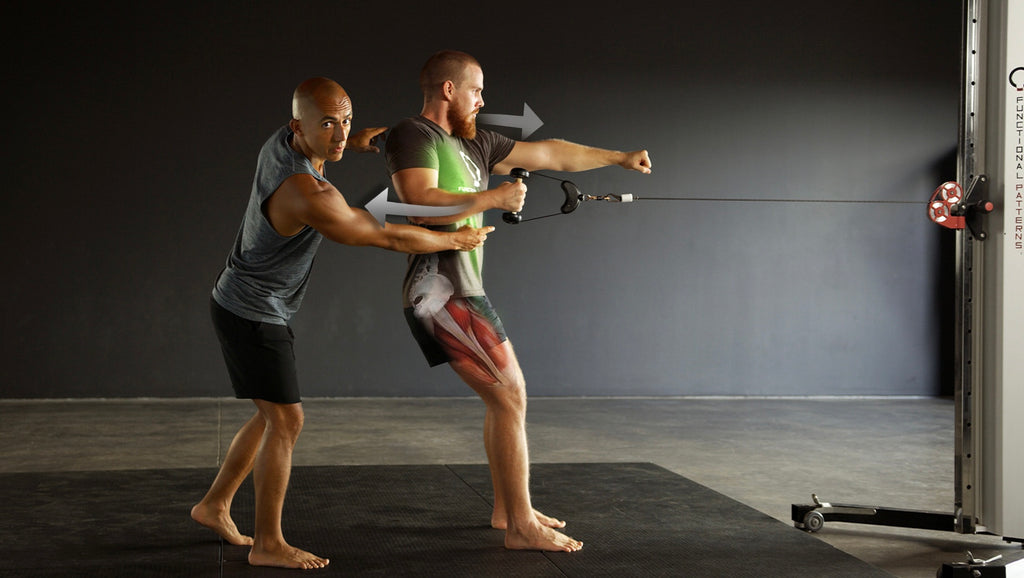
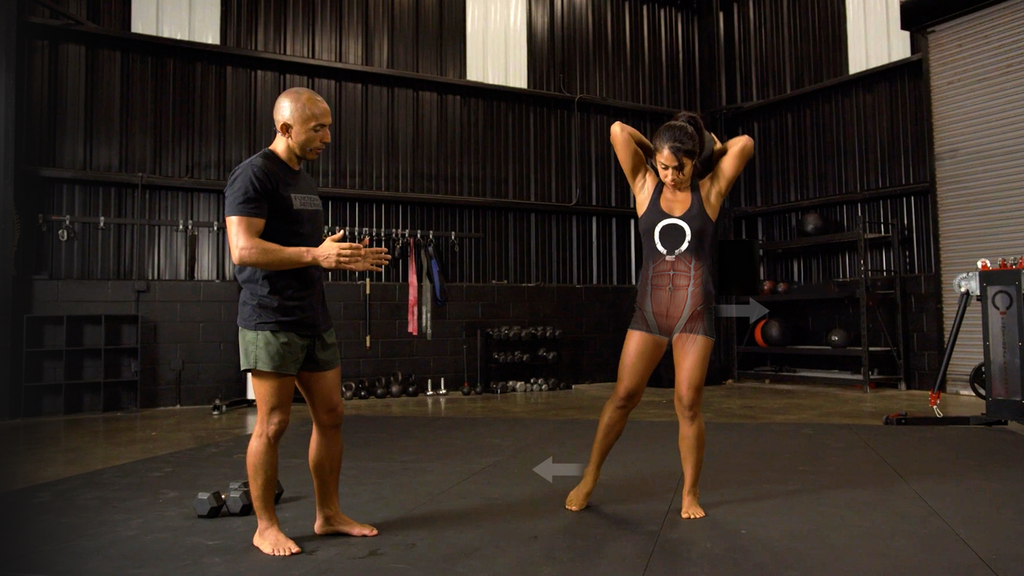
Everything about our anatomy and muscle function comes back to the First Four: standing, walking, running, and throwing. These movements are the foundation of how we approach resistance training.
Instead of building strength only around lifting heavier weights, we develop muscle and connective tissue around these integrated functions. The goal is better spinal stability, more resilient joints, better gait mechanics, and a body that moves well as a whole.
Getting stronger at lifting weights doesn't necessarily mean you're improving the way your body moves through life.
Your turn
Have you tried CrossFit? What was your experience? Tell us in the comments on the post above or tag @functionalpatterns on Instagram.