Somewhere along the way, "looking good" turned into a competition with rules nobody agreed to. Scroll long enough and you'll find people icing their jawlines, injecting peptides they bought off a forum, or literally striking their own facial bones with a hammer because a theory called "bone smashing" claims the bone will grow back stronger. It won't. It just breaks.

This is looksmaxxing: an online movement built around maximizing physical attractiveness by any means necessary, often at a cost far greater than the reward. Search interest in the term has surged over the past year, and it's not hard to see why. Social media has turned appearance into a metric, and metrics invite people to chase shortcuts.
We're not here to mock anyone drawn into it. The desire to look good, to feel confident in your own body, is real and it's human. If anything, the fact that so many people are willing to risk fractures, nerve damage, or facial asymmetry to get there tells you how desperate that desire can become. That desperation deserves empathy, not ridicule.
But it also deserves the truth.
What Looksmaxxing Actually Costs
Looksmaxxing communities split their practices into two tiers. "Softmaxxing" covers the reasonable stuff: skincare, grooming, sleep, basic fitness. Nobody's arguing with that. It's "hardmaxxing" where things go sideways, jaw implants, unregulated peptides, cosmetic injections like Botox chased for aesthetic edge rather than medical need, and bone smashing, a practice built on a fundamental misreading of how bone actually adapts.
Bones do remodel under load. That much is true. But the load has to be controlled, physiologic, and applied through the way the body actually moves, not through blunt trauma from a hammer. Doctors have documented bone smashing cases resulting in permanent nerve damage, improperly healed fractures, and in at least one case, blindness from a fracture behind the eye. Mewing, the tongue-posture trend meant to reshape the jaw, has been reviewed by orthodontists who found no evidence it restructures adult bone at all.
And the cost isn't only physical. Research on looksmaxxing communities has found more than half of participants report significant stress and anxiety tied to their practices. The pursuit of an ideal face or body becomes its own source of suffering, a treadmill with no finish line, because the goal was never really about health. It was about extraction, taking the fastest route to a look, regardless of what it does to the system underneath.
The Question We Ask Instead
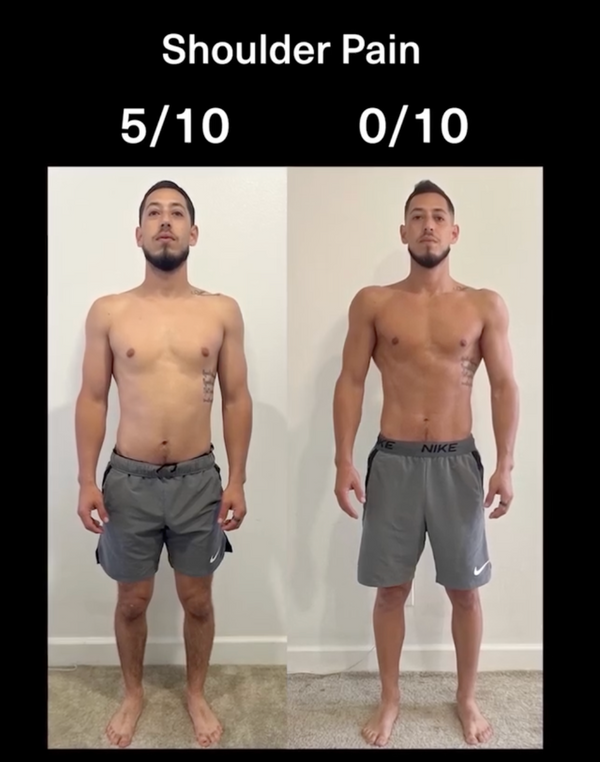
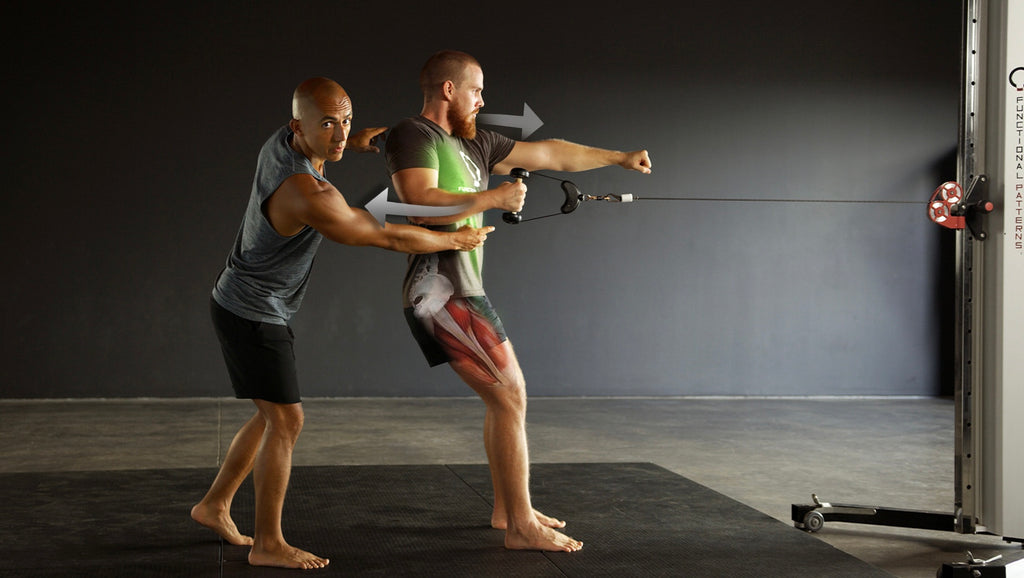
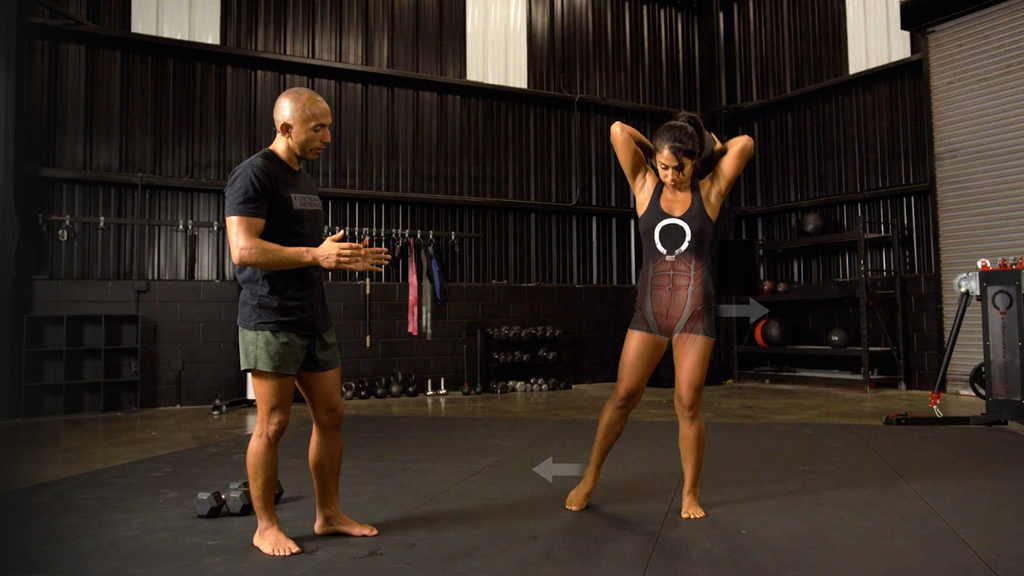
At Functional Patterns, we think about the body differently. Our approach isn't built on trends or shortcuts. It's built on first principles, training the body according to how humans have actually evolved to move: standing, walking, running, throwing. When you build from that foundation, the aesthetic changes, and they do come, are a byproduct of a body that's working correctly. Not the other way around.
That's the real distinction between looksmaxxing and what we do. Looksmaxxing asks "how do I look better, fast, regardless of the cost?" We ask something different: are the practices I'm engaging in bringing me closer to regeneration, or closer to degeneration?

That single question reframes almost everything. Botox and peptides chase a surface-level result while doing nothing for the structural pain or movement dysfunction underneath, and often at the cost of the body's own regenerative capacity. Bone smashing isn't adaptation, it's damage with a hopeful name. None of it builds anything sustainable. It borrows from your future to pay for your present.
Training rooted in first principles works the opposite direction. It's slower, because real regeneration always is. But it compounds. Better gait mechanics reduce chronic pain. Correct movement patterns build the kind of posture and proportion that no injection can fake, because it's coming from a body that actually functions well. And a body that functions well tends to look like it, not because you engineered a jawline, but because you stopped fighting your own biomechanics.
You Don't Have to Choose Between Looking Good and Being Well
Wanting to look good isn't the problem. It's a completely reasonable thing to want. The problem is when the pursuit of it gets executed through practices that degrade the very body you're trying to improve.
You can want both. You can care about how you look and refuse to sacrifice your long-term health to get there. That's not settling for less, it's understanding that the two were never actually in conflict. A body built on functional, regenerative principles doesn't just move better and hurt less. Over time, it looks like what it is: sustainable, capable, and built to last.
So before you reach for the next shortcut, ask the question. Regeneration, or degeneration? The answer usually tells you everything you need to know.