Physical therapy has its place. After surgery, an accident, or an acute injury, it can manage symptoms and help you regain basic function.
For pain that keeps coming back and injuries that keep recurring, it has a flaw that no amount of effort can fix: it treats the body as a set of parts, when the body works as one structure.
How physical therapy breaks the body into parts
The fragmentation is built into how outpatient physical therapy works.
- Insurance dictates the care. Coverage is tied to diagnosis codes, visit limits, and prior approvals. Rules vary by plan, but more often than not, what insurance will pay for shapes the plan more than best practice does. Many therapists are walking away from that model: in an American Physical Therapy Association survey, 57% said insurance paperwork and approval requirements had led their practice to drop an insurance payer or network [1].
- The tools are outdated and isolated. Evaluation still leans on pain scores, range of motion, and isolated strength tests, which measure parts, not how the whole body carries load. Treatment follows the same logic. Even when a therapist checks the joint above and below, the plan is often built from isolated exercises, plus modalities like heat, manual therapy, ultrasound, or electrical stimulation that offer a few days of relief at best. By the profession's own standards, care is also inconsistent: from 2010 to 2018, a median of 35% of therapists provided recommended care, while 39% provided care that guidelines advise against [2].
- There's no framework for what matters most. Inpatient rehab comes closest, training people to stand, transfer, and walk. In outpatient care, that priority disappears. Exercises get chosen for the area of symptoms, or for “weakness” and “limited flexibility” found through those same isolated tests, not for the movements you repeat thousands of times a day.
- It ends when the symptoms fade. Discharge is based on pain going down, not on how you move. So people go back to the same habits, and the pain goes back with them.
The research backs this up: low back pain is the leading cause of disability worldwide [3], 69% of people who recover have it return within a year [4], and up to 70% stop doing their home exercise programs [5].
We see the same pattern at Project Function. Many of our clients have already been through physical therapy. Most say it gave them temporary relief at best, and some felt worse. When exercises don't change how you move or feel, people stop doing them.
Why the parts approach can't work
Your body isn't a stack of parts. Orthopedic surgeon Stephen Levin described it as a biotensegrity structure: bones held in place by a continuous web of tension from muscle and fascia. When that web is balanced, load spreads across the whole body. When it isn't, load piles up in one area, and that's where you feel pain.
Think of a car with bad alignment. One tire keeps wearing out, so you replace it. The new tire feels great until it wears down the same way. Physical therapy keeps replacing tires. The problem is the alignment.
When the web loses balance, load piles onto one spot. Treating that spot doesn't rebalance the web.
The solution: look at the body as one system
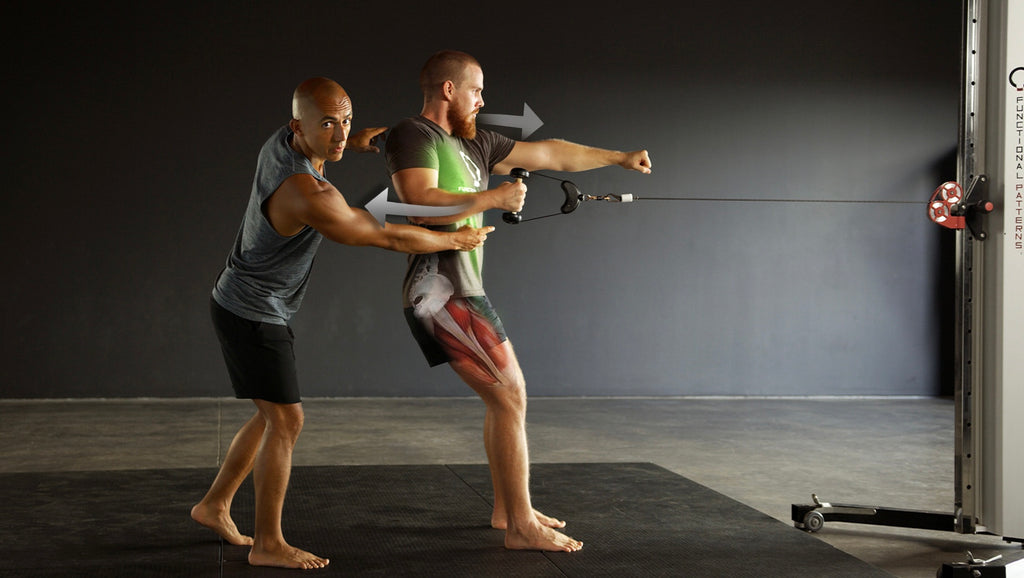
Fixing the alignment means starting from the movements that shape how load moves through you: standing, walking, running, and throwing. Standing and walking matters most. You repeat it more than anything else, and every step shows how your hips extend, how your spine rotates, how your arms counter your legs, and where load lands.
That's how we work at Project Function:
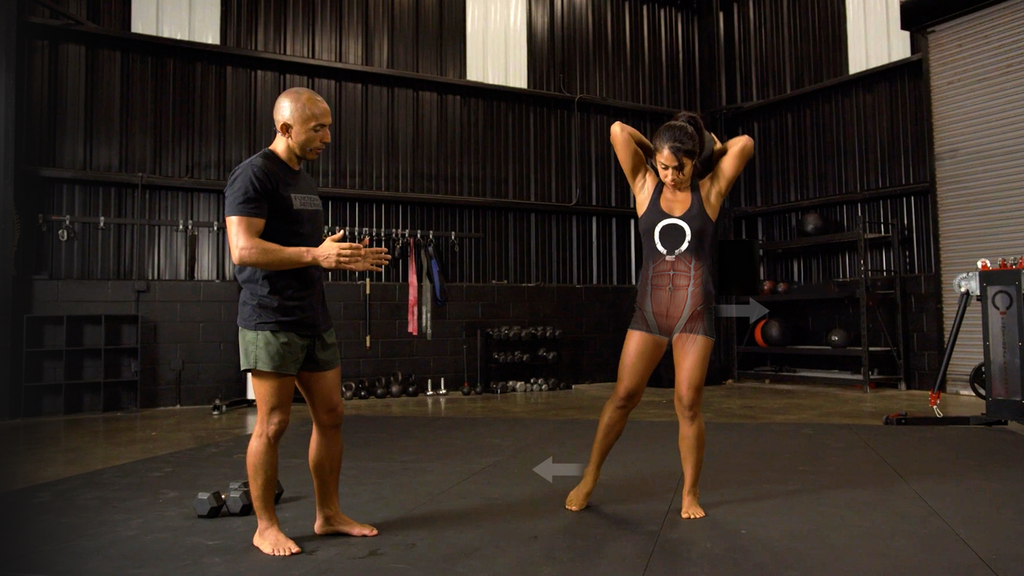
- Assess the whole pattern. Posture and gait are filmed, so you can see where force is leaking, often far from where it hurts.


- Release what's restricted. Myofascial release frees stuck tissue without overstretching ligaments.
- Train integrated movement. Exercises load the body as one connected system, so changes carry into walking, running, and lifting.
Instead of calming the sore spot for a few days, this changes the conditions that created the pain, which is why the results tend to last.
If you've done physical therapy and you're still managing the same problem, you haven't addressed the pattern yet. Our 10-Week Online Program teaches you how, in 25 minutes a day, 4 days a week, from home.
Start the 10-Week Online Program
Frequently asked questions
Is physical therapy worth it for chronic pain? It can reduce pain in the short term. For pain that keeps returning, it rarely changes the movement pattern behind it, which is why so many people end up back in the clinic.
Why does my back pain keep coming back after PT? Because the place you feel pain is often where your body is compensating. If the way you stand and walk stays the same, the same tissues keep taking the load.
What should I do after physical therapy if I'm still in pain? Look at how your whole body moves, starting with your posture and gait. Training those patterns addresses the cause instead of the symptom.
What is biotensegrity, and why does it matter for pain? Biotensegrity describes the body as bones held in place by a continuous web of tension from muscle and fascia. It matters because a problem in one area changes the load everywhere else, so pain rarely resolves by treating one spot.
References
- American Physical Therapy Association. The Impact of Administrative Burden on Physical Therapist Services. 2025.
- Zadro JR, Ferreira G. Has physical therapists' management of musculoskeletal conditions improved over time? Braz J Phys Ther. 2020;24(5):458-462.
- World Health Organization. Low back pain fact sheet. 2023.
- da Silva T, Mills K, Brown BT, et al. Recurrence of low back pain is common: a prospective inception cohort study. J Physiother. 2019;65(3):159-165. Summary
- Essery R, Geraghty AW, Kirby S, Yardley L. Predictors of adherence to home-based physical therapies: a systematic review. Disabil Rehabil. 2017;39(6):519-534. Link