BPC-157 is a synthetic peptide, a short chain of 15 amino acids, based on a protein found in human stomach juice. It's promoted as a way to speed up healing in tendons, ligaments, muscle and the gut, and it has become increasingly popular in fitness and wellness circles as a treatment for injuries. Before you consider something like this, it’s worth it to ask these two questions: Does it actually work for people? And even if it does, does it fix the reason you got hurt?
What the research actually shows
Almost all of the research behind BPC 157 was done in rats and in cell cultures: faster tendon healing in animals, new blood vessel growth, protection of the gut lining. Those results are why people are excited.
Human research is a different story. A 2025 systematic review of the research found only one published human study, out of 36 studies included. The rest were animal and lab studies. The authors concluded the lack of clinical data prevented them from recommending evidence-based guidelines for its use. That one human study was a retrospective look at 12 people with knee pain, with no control group.1
There is no validated human dose, long-term safety is largely unknown, and products sold online as "research chemicals" come with no guarantee of what is actually in the vial.
Where the FDA stands
The FDA restricted compounding pharmacies from using BPC-157 in 2023 over safety concerns and a lack of human data, then lifted that restriction in April 2026. In July 2026, an FDA advisory committee voted 8 to 6 to recommend allowing pharmacies to compound it, going against the FDA's own scientists. BPC-157 is still not FDA-approved for any use, and it remains banned for competitive athletes.
The FDA moving toward allowing BPC-157 doesn't show at all that it works. The regulatory changes are about access and politics. No new human studies came with them, and the FDA's own scientists still recommended against it.

The bigger problem: it doesn't touch the cause
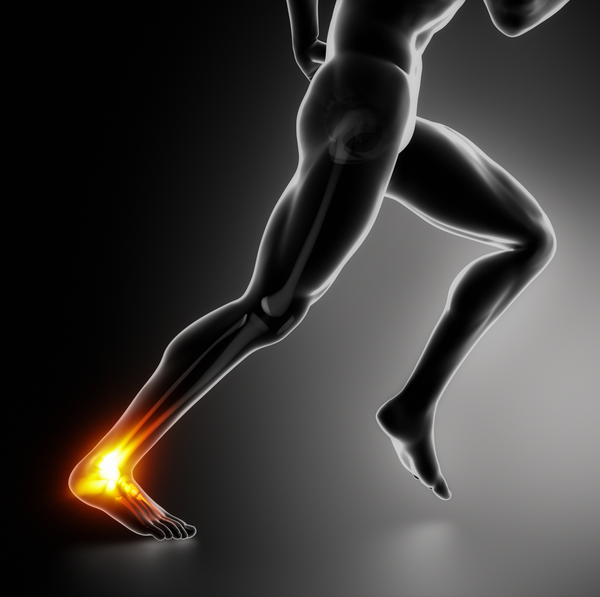
Most nagging injuries aren't random. A shoulder that keeps flaring up, a knee that aches after every run, or a low back that goes out twice a year. These issues are caused by how you move. When you move incorrectly, tension lands on the wrong tissues, and the same joints end up absorbing loads they aren't built for, thousands of times a day.

The injury is the symptom, and to solve it you need to think about the whole system.
A peptide, if it works, acts on a targeted tissue, but it does nothing to change how you load that tissue. The way you walk, squat, sit and train stays exactly the same, and that’s why the injury comes back.
Why you can end up worse
Pain is feedback. It's what forces people to slow down, change something and pay attention to how they move.
Let’s say you take a peptide. When symptoms ease, most people go right back to training the same way, often harder, because they finally feel good. The faulty pattern gets more reps, more load and your body more time under compression.
When the effect wears off, two things have happened. Your tissues have taken more damage, and the movement patterns that caused the injury are more deeply ingrained. You've spent weeks or months reinforcing the exact habit that hurt you.
That makes the real fix, learning to move better, harder and more comprehensive than it would have been prior. There is now a lot more to undo.
When you take peptides, you don’t buy healing, you just buy more room to keep making the same mistakes.

What actually resolves it
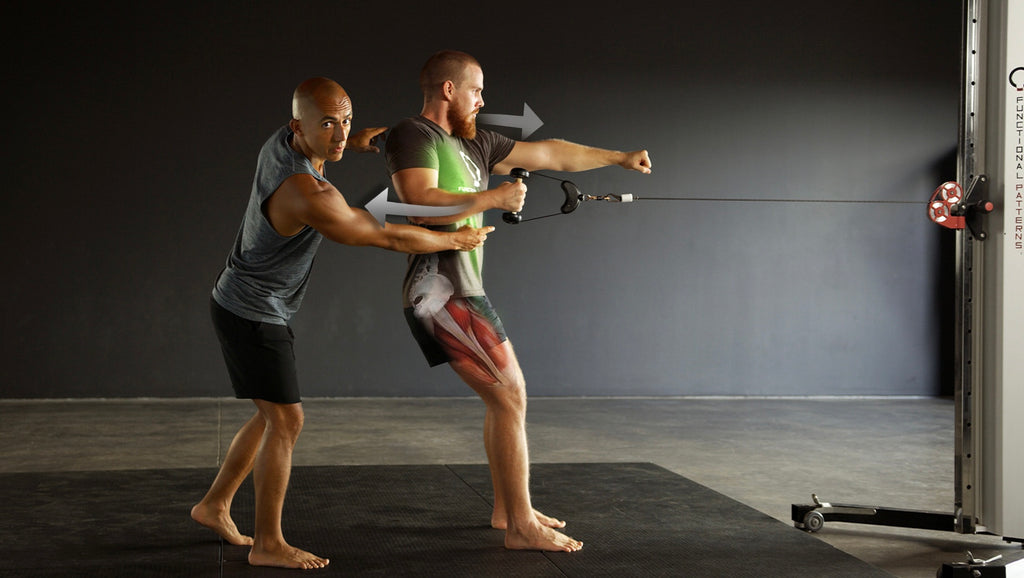
Believe it or not, your body has the capacity to heal itself. It just needs the right stimulus. When you optimize your biomechanics, you start the healing process. It all starts with the FP First 4: Standing, Walking, Running, and Throwing. When you improve these four fundamental functions, your pain will go away and stay away for good.
It's slower than what an injection promises, but it's the only approach that changes the conditions that caused the injury in the first place.
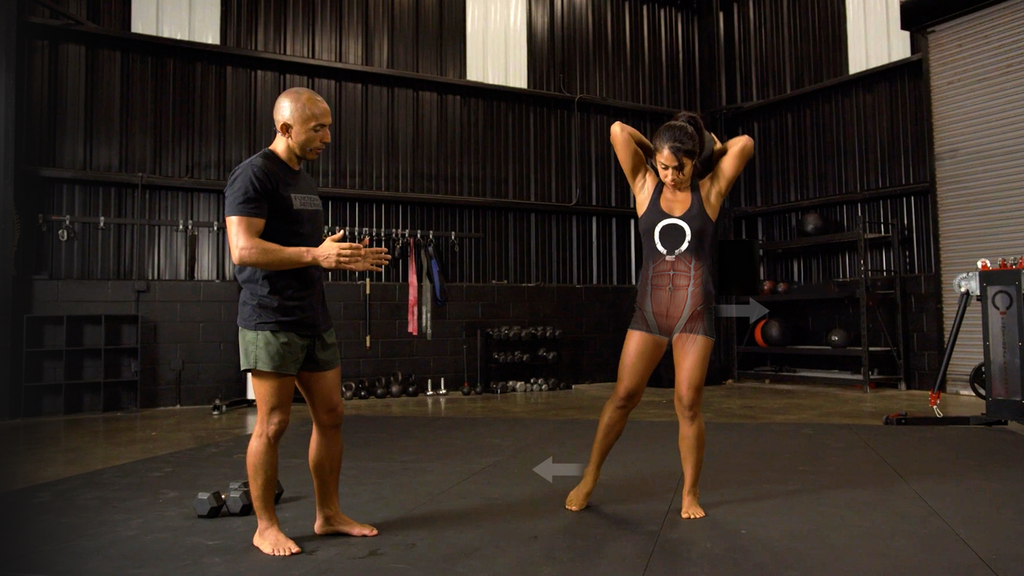
That's what we do at Functional Patterns: provide a proven system and structure to guide you to moving better. We have been helping people heal themselves for almost 20 years, and have thousands of visible results showcasing it.

The bottom line
BPC-157 might look promising, but only in animals since it is unproven in people. Even in the best case, it treats the tissue, and not the cause. Your injuries are there because of how you move, healing faster without changing how you move fundamentally just gets you back to the same injury, and with less margin of error than before.
References
1. Vasireddi N, et al. Emerging use of BPC-157 in orthopaedic sports medicine: a systematic review. HSS J. 2025;21(4):485-495. doi:10.1177/15563316251355551