Most people think posture means pulling your shoulders back, lifting your chest, and “standing up straight.”
Others believe fixing their exercise form will magically correct kyphosis, anterior pelvic tilt, or chronic aches.
Let’s be direct:
If posture were that easy to fix, far fewer people would be dealing with persistent pain and movement limitations.
Posture does matter, but not as a position you force.
Posture is a reflection of how well your body organizes tension and distributes force.
If the system isn’t working, the posture won’t hold.

Stop Forcing “Good Posture”
Pinning your shoulders back is not posture, it’s compensation.
The same goes for maintaining perfect-looking exercise technique. You can perform a lift beautifully and still reinforce the very dysfunction you’re trying to escape.
Good form without full-body coordination is just a shape you temporarily hold.
Your body always returns to the patterns it is strongest at sustaining.
Real posture is automatic. It doesn’t require reminders.

Your Body Is Not a Stack: It’s a Tensegrity Structure
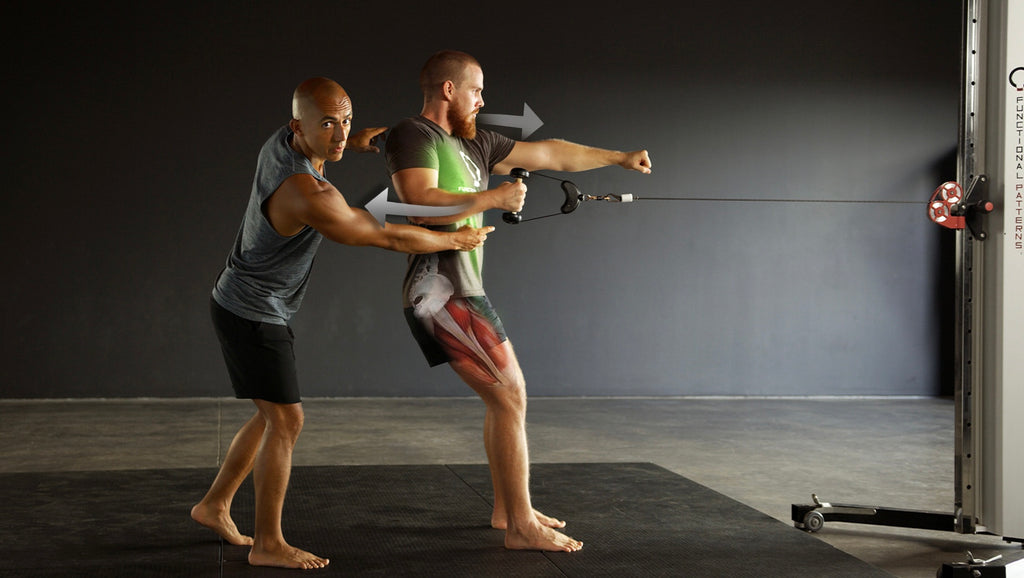
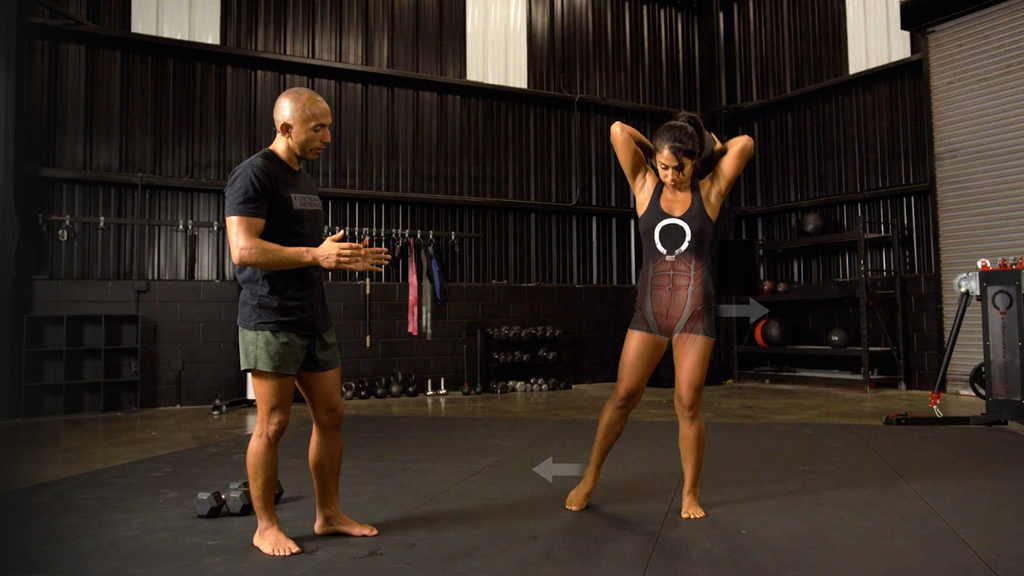
The human body functions as a tensegrity system, where integrity comes from balanced tension distributed across the entire structure.
Everything affects everything:
- Ribcage position influences the pelvis
- Pelvis affects spinal mechanics
- Feet dictate how force travels upward
Trying to fix rounded shoulders while ignoring the hips is like straightening a crooked picture frame while the wall itself is shifting.
Isolation-based fixes fail because the body doesn’t operate in pieces, it organizes globally.
When tension is properly coordinated, posture becomes efficient and resilient.
When it isn’t, compensation becomes your default.
The Question Isn’t “Is My Posture Bad?” | The Question Is: Can Your Body Adapt?
Labeling posture as good or bad misses the point.
Adaptability is what protects the body.
Can you absorb impact when you walk or run?
Can you rotate without strain?
Can your joints handle load without breaking down?
If the answer is no, the body begins accumulating wear, often long before pain appears.
Pain is frequently the final warning sign, not the first.

Why Fixing Your Form Won’t Fix Your Posture
Improving technique matters but it’s not enough.
Most workouts ignore the deeper requirement for coordinated, global muscular tension, the integrated support system that stabilizes your spine, pelvis, and trunk before movement even begins.
Without that system-wide coordination:
- Force leaks through the joints
- Imbalances compound
- Dysfunction becomes reinforced
You don’t fix posture by looking correct during a set.
You fix posture by training the body to function as one connected unit.

Results Make This Hard to Ignore
This isn’t theoretical.
We’ve demonstrated time and time again that when posture improves, pain often decreases, conditions become more manageable, and physical progress becomes far more sustainable.
Why?
Because better organization reduces unnecessary stress on the joints and allows force to travel through the body the way it was designed to.
The body doesn’t just feel better, it performs better.
Think Long-Term or Pay Later
Posture is not about aesthetics.
It is about durability.
If you want to keep hiking, training, competing, traveling, and living actively into older age, what you do now matters.
Yes, the body is adaptable. Many dysfunctions can be improved.
But the longer poor movement patterns persist, the more deeply they become ingrained.
The earlier you prioritize biomechanics, the greater the return.
Consider it compound interest for your physical health.

Posture Is a Byproduct, Not a Cue
Stop chasing the idea of “perfect posture.”
Instead, build a body that organizes itself without constantly fidgeting and "shaking out" into a 'better' posture.
When muscular coordination improves:
- Movement becomes more efficient
- Injury risk drops
- Breathing improves
- Confidence often rises naturally
- Longevity increases
Posture stops being something you have to consciously consider and instead becomes something you carry.
The Bottom Line
Posture matters because it reflects the health of your entire system.
Not because you remembered to sit up straight today.
Train your body as an integrated structure. Improve how it handles force. Build adaptability.
Do that, and better posture isn’t something you force, It’s something you build.