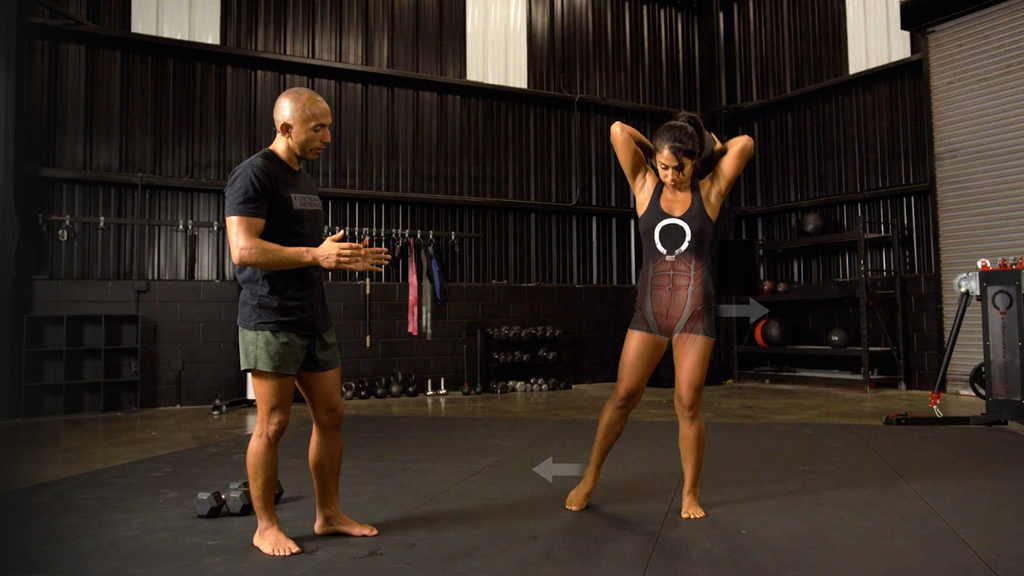

Squats: A Fitness Staple with a Common Problem
Over the past few decades, the squat has become a cornerstone of gym and fitness programs. From heavy back squats to single-leg squats, you’ll see countless variations in gyms worldwide.
But there’s one thing many people who engage in squat-based exercises eventually report: “I get knee pain when I’m squatting!”
 Types of Knee Pain During Squats
Knee discomfort can show up in different ways:
- Pain in the front of the knee
- Pain on the inner or back of the knee
- Popping, clicking, or cracking sensations
For many, these issues appear both during and after squatting sessions.
Why Squats Hurt the Knees
Several factors can contribute to knee pain when squatting:
- Improper knee positioning
- Using too much weight
- Poor knee control during movement
- Underlying joint issues
Typical recommendations include reducing weight, warming up better, or adjusting technique. While these may provide temporary relief, knee pain often returns over time.
Pain is your body’s alarm system: It signals that the activity may be causing undue stress or damage. If squats are triggering pain, they may be compromising knee function rather than improving it.
For anyone looking to train in a way that helps their body function better, pushing through pain is never the answer.
Evidence Linking Squats to Long-Term Issues
- Research has shown that even experienced athletes are not immune:
A 6-year study on elite weightlifters found that over half reported long-lasting knee pain. Many trained through the pain, which may be necessary for competition but isn’t ideal for long-term joint health. - Another study found that even deep bodyweight squats—commonly promoted as safe—can increase the risk of developing knee osteoarthritis later in life.
This suggests the issue isn’t just about heavy loads; the movement pattern itself can have consequences.
Rethinking the Squat as a “Must-Do” Exercise
Although it’s common, it is neither normal nor necessary for knees to hurt during squatting. The bigger question is: if squats can damage joints over time, are they truly the best option for lower-body strength?
Training from First Principles
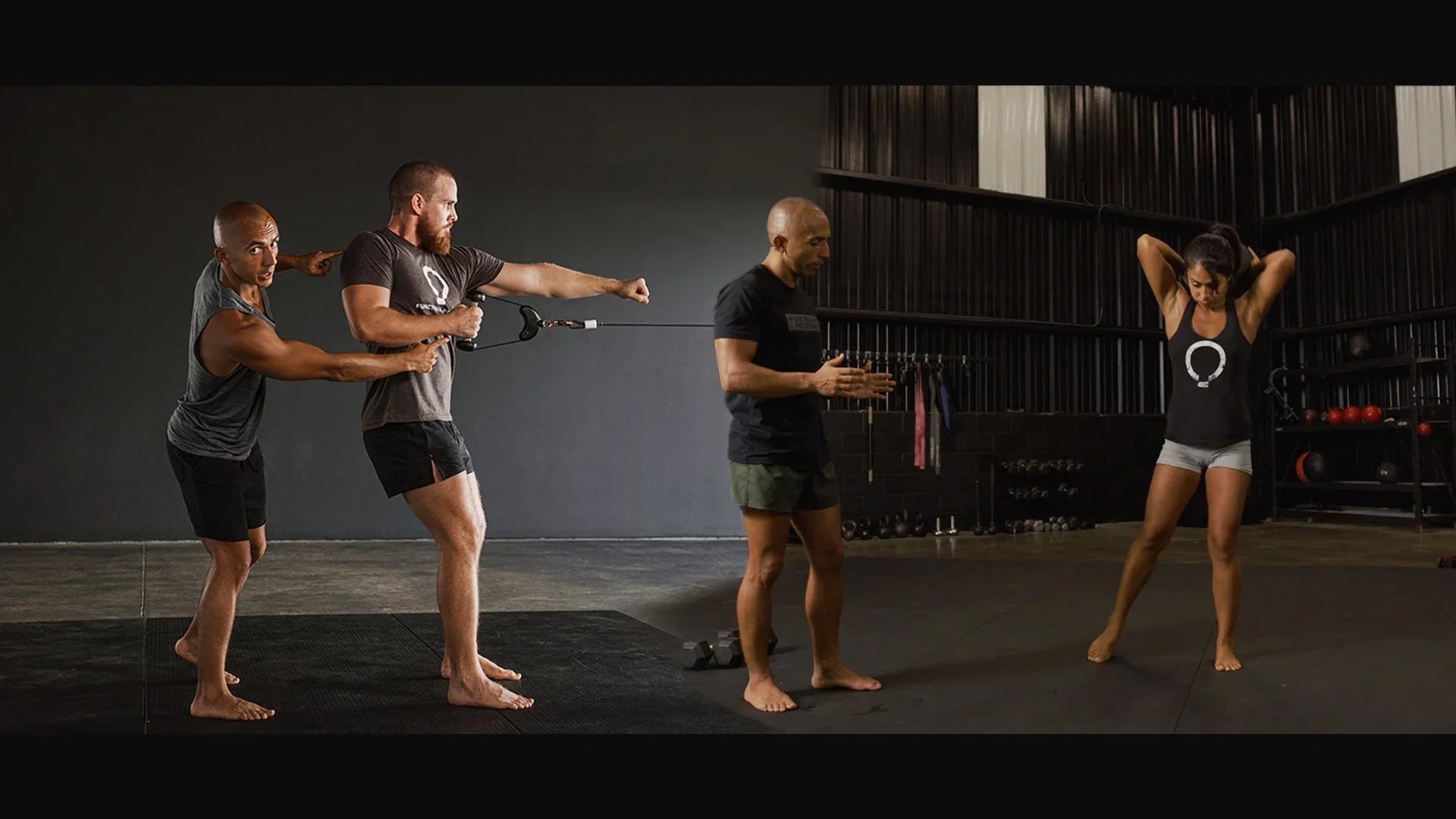
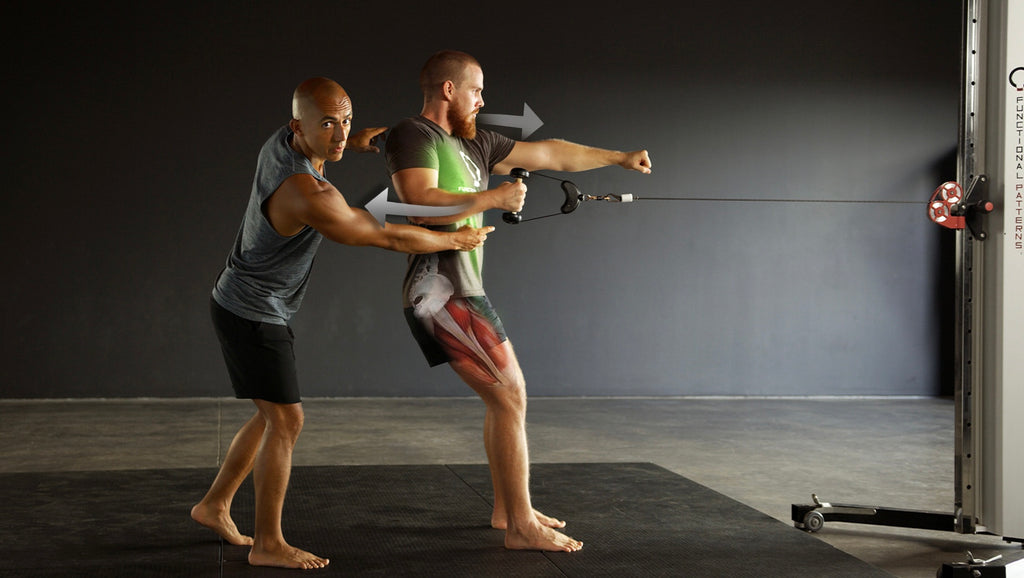
To answer this, we step back and look at human evolution and design. Our muscles didn’t develop to squat in place, they evolved to support specific functional movements. At Functional Patterns, we identify four key movements that define how humans are meant to move:
- Walking
- Standing
- Running
-
Throwing
When people improve in these foundational movements, their muscles grow stronger, their posture improves, and their overall biomechanics become more efficient. Everyday tasks like climbing stairs, getting out of a chair, or lifting objects naturally improve as well.
Beyond Squats: Training the Body as a System
If squats mainly make you better at squatting, and often at the expense of joint health, it makes sense to question their value. Instead, by focusing on the big four human functions, you train your body as a system.
This approach strengthens the legs, glutes, and core in ways that directly translate to daily life and athletic movement. The result: greater strength, improved mobility, and fewer pain signals from your body.
Conclusion
Knee pain from squats isn’t just common, it’s a sign that the movement may not align with how the body is designed to function. Training should build you up, not break you down. By prioritizing movements rooted in human evolution (walking, standing, running, and throwing) you strengthen your body in a way that is sustainable, systemic, and pain-free.
References
1. Stone, M. H., Fry, A. C., Ritchie, M., Stoessel-Ross, L., & Marsit, J. L. (1994). Injury potential and safety aspects of weightlifting movements. Strength & Conditioning Journal, 16(3), 15-21.
2. Zhang, Y., Hunter, D. J., Nevitt, M. C., Xu, L., Niu, J., Lui, L. Y., ... & Felson, D. T. (2004). Association of squatting with increased prevalence of radiographic tibiofemoral knee osteoarthritis: the Beijing Osteoarthritis Study. Arthritis & Rheumatism: Official Journal of the American College of Rheumatology, 50(4), 1187-1192.