
Everyone is starting to talk about fascia now, and yet very few people understand how much it actually controls the way we move.
This footage shows what healthy fascia looks like and what happens when movement is removed. These microscope images were taken during a study with individuals who intentionally restricted movement in a specific area of their body, which led to visible changes in how the fascial tissue organized and functioned.
When fascia becomes dehydrated, tangled, or stuck, it loses its ability to slide, transmit force, and provide feedback to the nervous system. Instead of coordinating and distributing tension through the body, tissues begin to bind together, pulling muscles and joints into inefficient patterns of posture and movement.
This is why simply stretching does not solve most mobility or pain issues. Stretching pulls on tissue that is already restricted, but it does not restore the hydration, elasticity, or glide that healthy fascia depends on.
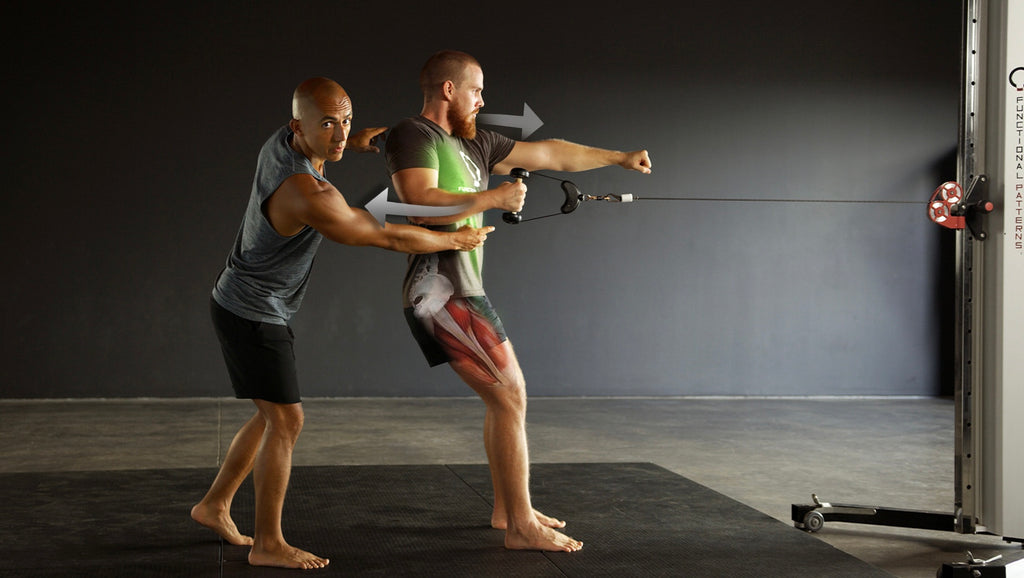
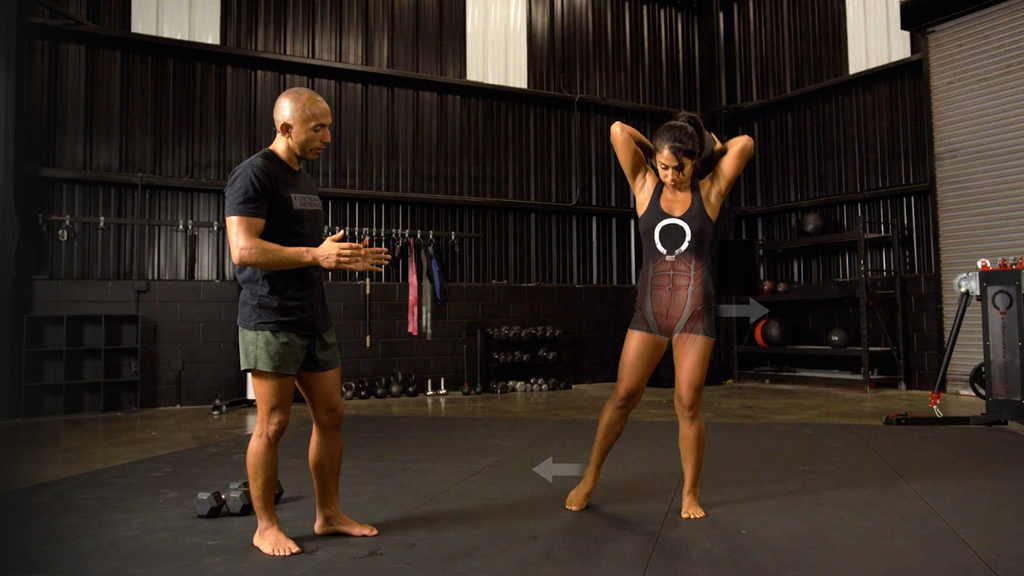
What actually keeps fascia functioning is movement, especially movement that trains the body to load, rotate, and distribute force through the entire system.
When you move well, your fascia stays organized, elastic, and resilient. When you don’t, it stiffens, binds, and dehydrates.
Train for integration, and your body will respond.