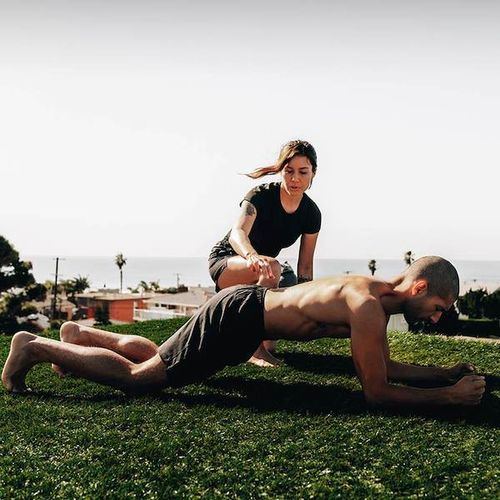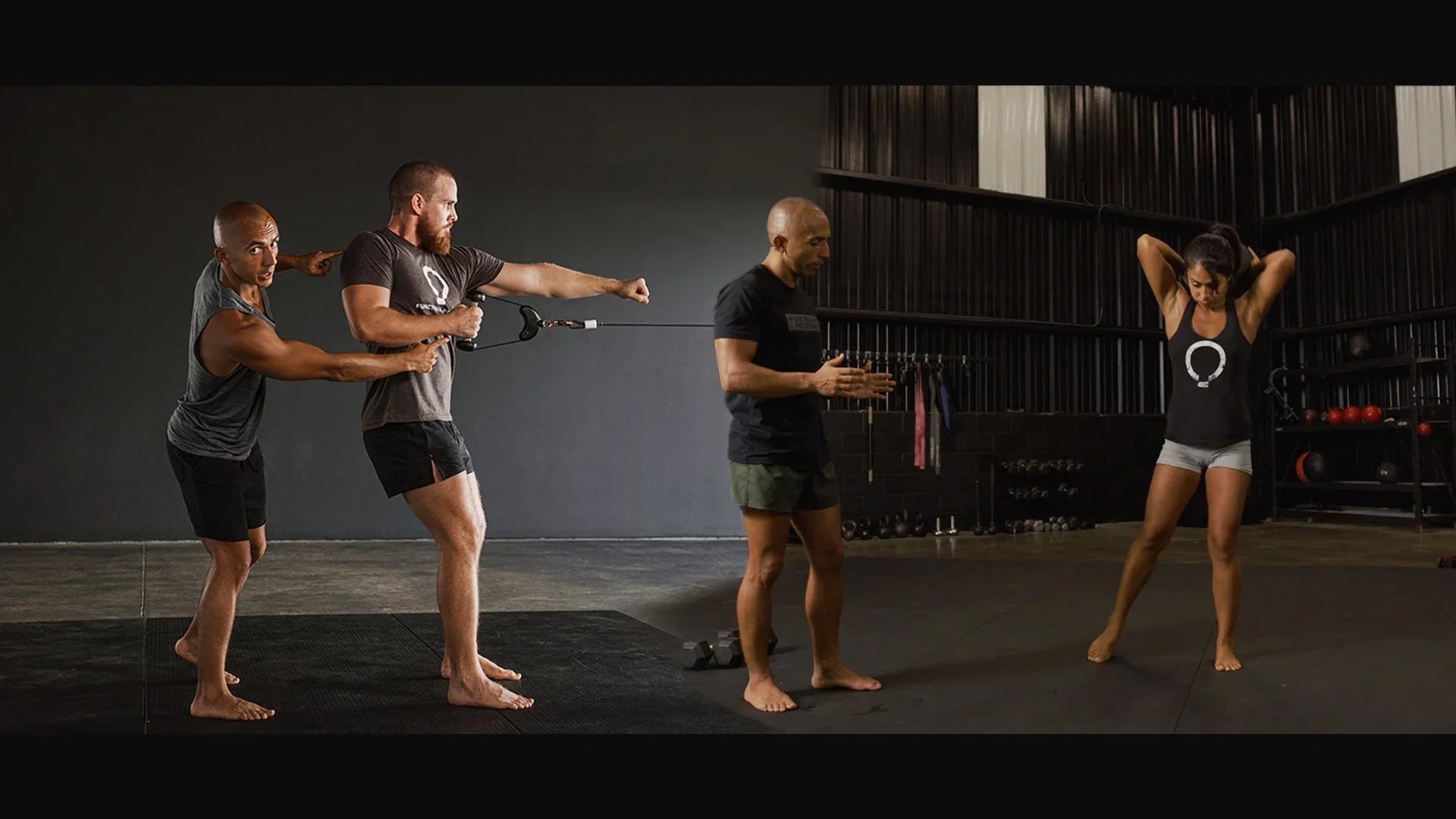

@Lou.ellery, owner of FP Brisbane, talks more on the detriments of stretching.
All of our cells are mechanosensitive, meaning they contain receptors that respond to forces like shearing, torsion, bending, and compression. One of the clearest examples is how the body reacts to stretching.
When you elongate a muscle, the body limits this motion through signals from muscle spindles and the Golgi tendon organ (GTO). With repeated exposure, these receptors can adapt, becoming less sensitive to flexibility demands. The result is greater range of motion, but also a reduced stretch reflex.
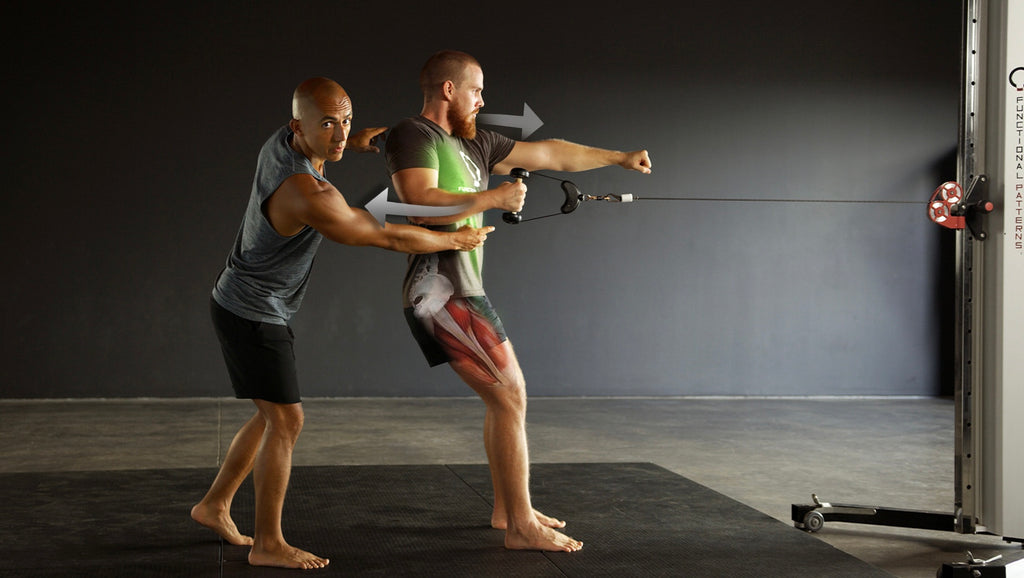
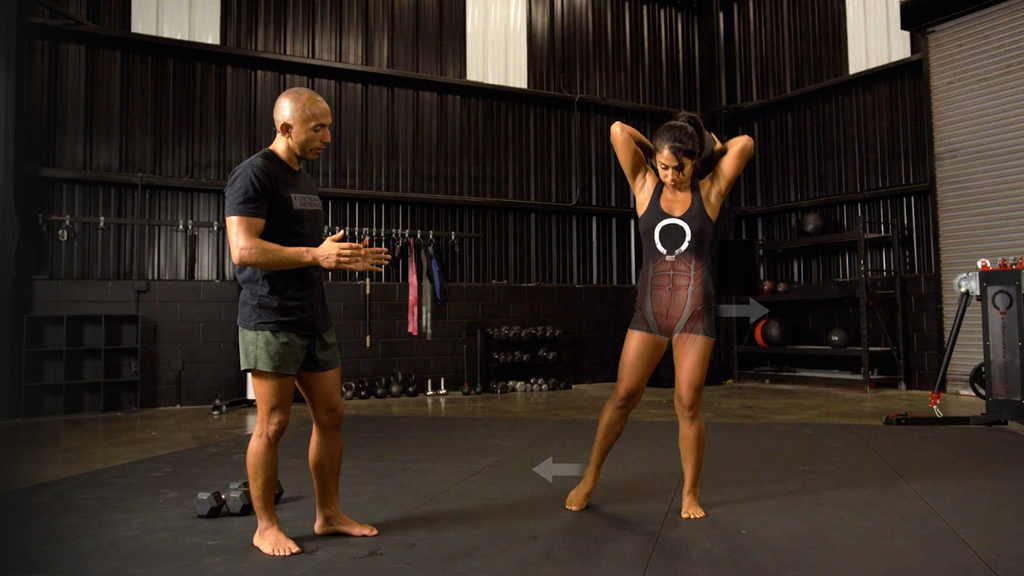
Stretching needs to happen while the body is in action, moving through space. Sprinting is the best example. When you sprint, reciprocal inhibition takes place: one muscle drives into full contraction while its opposing muscle reaches its full length. This keeps the muscle spindles and GTO operating within a functional range without pushing past a damaging threshold.
Our training is designed to replicate the mechanics of sprinting, so that even those who struggle to run can begin practicing functional ranges of motion. Once proficiency is built toward sprinting or training for sprinting, the body can express flexibility the way it was intended to.